Portland Metro + Southwest Washington

Buy the Rental Like an Investor

A good investment property is not just a house with a tenant in it. I want to understand the rent potential, expenses, financing, deferred maintenance, local rental laws, operational strategy and exit plan before we decide the numbers make sense.

Whether you are comparing a duplex, a single-family rental or a furnished strategy, the goal is the same: understand what you are buying as an operating asset, not just whether the property looks appealing online.

Last reviewed August 2026. Rental laws, rent caps, permit rules and local ordinances change frequently. This guide is educational and should not be treated as legal, tax or property-management advice. Verify the rules for the specific property and jurisdiction before relying on them.

Investment Strategies

Start with the operating model, not the listing photos

The same property can produce very different results depending on how it is financed, rented, managed and regulated.

Multifamily

Duplexes, triplexes and fourplexes can create multiple income streams on one parcel and may also work for owner-occupant house hacking. Larger multifamily properties introduce commercial underwriting and a different financing process.

  • Review every lease, rent amount and expiration date.
  • Confirm utility responsibility and separately metered services.
  • Budget for common-area and shared-system maintenance.
  • Look for deferred maintenance that can multiply across units.

Long-Term Rentals

Long-term rentals are usually the simplest operating model, but they are still highly sensitive to rent assumptions, turnover, repairs and landlord-tenant law. I underwrite the property using realistic rent and expenses rather than assuming every dollar of gross rent becomes cash flow.

  • Rent comps and vacancy assumptions matter.
  • Tenant status can affect your first year of ownership.
  • Insurance, taxes, maintenance and capital reserves need room in the model.
  • Local rules can affect screening, deposits, rent increases and termination.

Mid-Term + Furnished Rentals

Thirty-day-plus furnished rentals can sit between traditional leasing and nightly rentals. They may appeal to traveling professionals, relocations and temporary housing needs while avoiding some short-term-rental rules, but occupancy and operating costs can be less predictable.

  • Model furniture, utilities, internet and turnover costs.
  • Do not assume short-term-rental demand translates directly to mid-term demand.
  • Confirm lease structure, insurance and local occupancy rules.
  • Keep a long-term-rental fallback strategy.
The Numbers

How I look at an investment property

Gross rent is the beginning of the analysis, not the answer.

01

Income

Current rents, market rents, vacancy, concessions and any additional income.

02

Operating Costs

Taxes, insurance, utilities, HOA, management, landscaping, turnover and recurring maintenance.

03

Capital Expenses

Roof, siding, plumbing, electrical, HVAC, sewer, windows and other expensive systems that do not show up in a simple rent-to-price ratio.

04

Financing

Down payment, rate, reserves, loan structure, owner occupancy and how financing changes cash flow.

05

Legal + Operational Risk

Existing tenants, lease terms, rent restrictions, permits, screening rules and the intended rental strategy.

06

Exit Plan

Resale appeal, alternate rental strategies, future unit potential and what happens if the original plan underperforms.

Oregon vs. Washington

The river changes more than the address

Both states can work for investors, but you should not underwrite an Oregon rental using Washington assumptions or vice versa.

Oregon2026

Rent increases + tenancy rules

  • 2026 rent cap: 9.5% for most covered residential units. The statutory cap generally does not apply when the first certificate of occupancy is less than 15 years old, and other exemptions exist.
  • Timing: for most non-week-to-week tenancies, rent cannot be increased during the first year, requires at least 90 days' written notice after that, and generally cannot be increased more than once in a 12-month period.
  • Ending tenancies: after the first year, Oregon significantly limits termination without tenant cause. Qualifying landlord reasons and notice requirements matter.
  • Current-law caution: Oregon landlord-tenant statutes continue to change, including 2026 changes affecting deposits and termination-related charges.
Washington2026

Rent stabilization is now statewide

  • 2026 rent cap: 9.683% for most properties covered by Washington's Residential Landlord-Tenant Act, unless an exemption applies.
  • First year: rent generally cannot be increased during the first 12 months of the tenancy.
  • Notice: covered rent increases require at least 90 days' advance written notice.
  • Ending tenancies: Washington also uses a just-cause framework for many landlord-initiated terminations and refusals to continue tenancy.
Portland + Multnomah County

Local rules can materially change the investment

"Multnomah County" is not one operating rulebook. A property may be inside Portland, Gresham, Wood Village or unincorporated Multnomah County, and the applicable local rules can be different. I verify the jurisdiction before assuming which landlord requirements apply.

Investor takeaway: two rentals a few miles apart can have different screening procedures, deposit rules, registration requirements, relocation obligations or enforcement agencies.

Portland Mandatory Relocation Assistance

Portland can require landlord-paid relocation assistance for specified events, including certain landlord-initiated terminations, substantial lease-term changes and rent increases of 10% or more over a rolling 12-month period. Current assistance amounts range from $2,900 for a studio/SRO to $4,500 for three bedrooms or more.

Official Portland rules

Portland FAIR Screening Rules

Portland has additional application and screening requirements. Among them, advertised units generally need a 72-hour notice before the open application period, and landlords using criteria more restrictive than the City's low-barrier criteria can trigger an individual-assessment process.

Application + screening rules

Portland Security Deposit Limits

If a Portland landlord does not require last month's rent, the security deposit generally cannot exceed one month's rent. If last month's rent is required, the additional security deposit generally cannot exceed one-half month's rent.

Portland deposit code

Multnomah County Housing Standards

Residential rentals must meet health and safety standards. Enforcement depends on jurisdiction, with Portland, Gresham, Wood Village and unincorporated Multnomah County using different inspection contacts.

Multnomah County rental housing
Short-Term Rental Reality

Do not value an Airbnb until you know it is legal

Portland and Vancouver illustrate how dramatically local short-term-rental rules can differ.

Portland, Oregon

Primary-residence rules are the big constraint

  • The dwelling generally must remain the resident's primary residence for at least 270 days each calendar year.
  • Portland accessory short-term rentals are generally room-based in a resident-occupied dwelling, with limited whole-home use while the resident is away.
  • Type A permits cover one or two bedrooms and up to five overnight guests. Larger operations require a Type B conditional-use process.
  • Business registration, an ASTR permit and transient lodging tax requirements apply.
Portland ASTR requirements
Vancouver, Washington

Permitted, but with a formal operating framework

  • A City short-term-rental permit is required for STRs within Vancouver city limits.
  • Applicants need Washington and Vancouver business licensing, at least $1 million in liability insurance and neighbor notification.
  • Vancouver limits the total number of STR permits and excludes certain MFTE properties from STR use.
  • The permit does not override HOA, CC&R, lease, insurance or other restrictions.
Vancouver STR rules

Always underwrite the fallback

If a property only works financially as a nightly rental, I consider that a much riskier purchase. I want to know whether the same property can survive as a long-term or mid-term rental if regulations, demand, insurance or platform economics change.

Vancouver Investors

A new operating cost to know about in 2026

Beginning January 1, 2026, residential rental properties within Vancouver city limits must be registered annually with the City. The current annual fee is $30 per unit. Vancouver also notes that rental-property business licenses have been required since 2019.

Vancouver Rental Registration Program
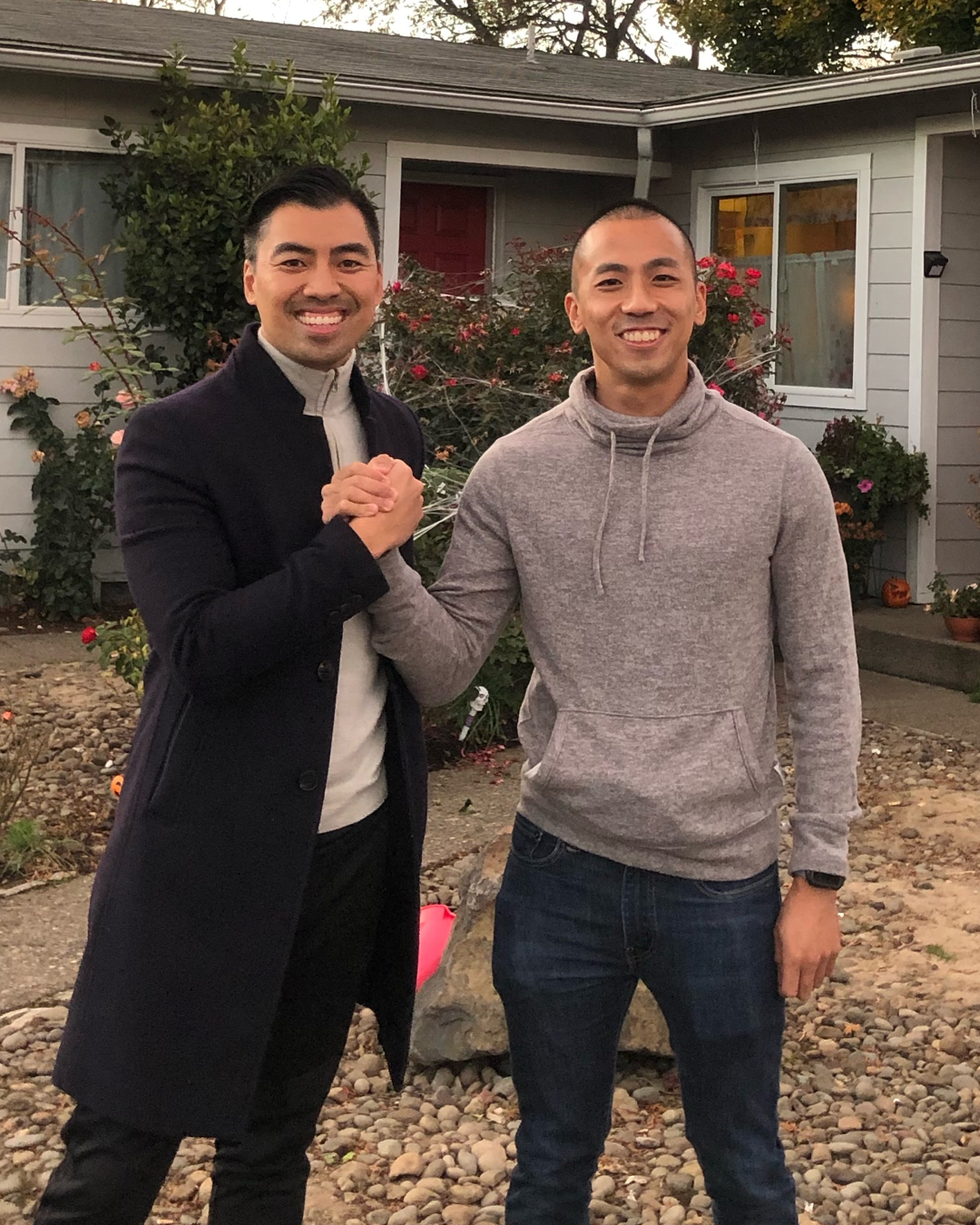
Steven Tran at a fourplex purchase
Photo from when I bought a fourplex, one of the investments that shaped how I think about multifamily real estate and long-term ownership.
Why Work With Me

I started as an investor before I became an agent

I do not approach investment property as a theoretical niche. I own 12 rental units in the Portland Metro and Southwest Washington area, including single-family and multifamily properties, and I have operated long-term, mid-term and short-term rentals.

I have managed tenants, renovations, rent decisions, maintenance and financing. I have also made investment decisions I would handle differently today. On one multifamily renovation, we put roughly $150,000 into deferred maintenance and improvements. It reinforced an important lesson: improving a property and improving the investment return are not always the same thing.

My prior career as a software engineer also shapes how I work. I like data, repeatable analysis and understanding the assumptions behind a decision. When I represent an investor, I am looking for the same things I care about when I am putting my own money into a property.

Underwrite firstRent, expenses and deferred maintenance come before finishes.
Plan for realityI want a fallback strategy before relying on the best-case scenario.
Operate locallyOregon and Washington rules can materially change the same investment thesis.

Watch My Investor Story

How I got into real estate investing and how I think about it today

These two videos go deeper into my personal investor experience, the decisions that shaped my portfolio and the lessons I use when helping clients evaluate their own opportunities.

Before the Offer

Questions I want answered

A rental can look good on a listing portal and still have major diligence issues.

What do the leases say?

Current rent, deposits, expiration dates, concessions, utilities and tenant obligations.

What is deferred?

Roof, sewer, plumbing, electrical, HVAC, siding and unit-turn work can change the return quickly.

What rent is realistic?

Separate current rent, market rent and optimistic rent. Underwrite using assumptions you can defend.

What rules apply?

State law, city code, county jurisdiction, HOA restrictions, permits and existing tenant protections.

What is the true cash requirement?

Down payment, closing costs, reserves, immediate repairs and operating cash after closing.

How do we exit?

Resell, refinance, change rental strategy, occupy a unit or improve the property without depending on one outcome.

Common Investor Questions

A few things worth knowing early

Is Portland still a good place to own rental property?

It can be, but I would not answer that at the city level. Portland has strong renter protections and more operational complexity than many surrounding jurisdictions. The property still has to work after realistic expenses, current rent rules, tenant status and local requirements are included in the model.

Should I buy in Oregon or Washington?

That depends on the property, financing, rental strategy, expected expenses, local regulations and your broader tax situation. I work in both states, so I would rather compare actual opportunities than declare one side of the river universally better.

Can I buy a duplex or fourplex and live in one unit?

Yes, and that can be a powerful way to enter multifamily ownership. Owner occupancy can change financing options, but you still need to evaluate the rental units, tenant leases, condition, expenses and long-term operating plan.

Can I turn any Portland house into an Airbnb?

No. Portland accessory short-term rentals have primary-residence, permitting and operating requirements. If nightly-rental income is central to the purchase, confirm the property's eligibility before relying on that revenue.

Do landlord-tenant laws make Oregon or Washington a bad investment?

Not automatically. They change how the asset should be operated and underwritten. My goal is not to ignore regulation or fear it. It is to understand the rules before you buy so the investment plan is based on reality.

Looking for an Investment Property?

Let's underwrite the opportunity before you chase the return.

Whether you are buying your first duplex, comparing Oregon and Washington rentals, adding another long-term property or exploring a furnished-rental strategy, I can help you evaluate the real estate, the numbers and the local operating environment together.

Important: Steven Tran is a licensed real estate broker, not an attorney, CPA, property manager or lender. This page is general real estate education. Rental laws, tax treatment, financing rules, permit requirements and investment results vary by property and can change. Consult the appropriate licensed professional for legal, tax, lending and property-management advice.